
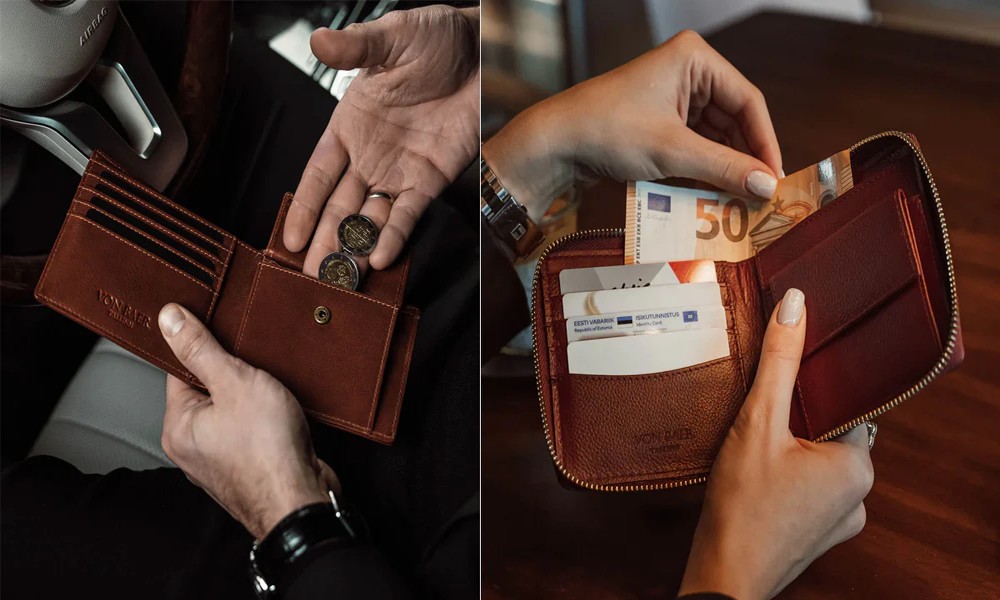
Wallets are no longer just storage accessories for cash and cards. In 2026, they reflect changing payment habits, lifestyle preferences, and everyday convenience. With the rise of digital transactions such as upi payment, the way people carry money has evolved significantly. This shift has influenced wallet design, materials, and functionality, making wallets more adaptable to modern needs.
This article outlines the key wallet styles shaping everyday carry choices in 2026, focusing on practicality, usability, and design preferences.
Evolution of Wallet Usage in Daily Life
From Cash Storage to Smart Utility
Traditionally, wallets were designed to hold cash, coins, and identification cards. Today, their purpose has expanded. With increasing dependence on upi payment systems and digital transactions, physical cash usage has reduced in many situations.
As a result, modern wallets are designed to:
- Minimize bulk
- Support card-based transactions
- Offer quick access to essentials
- Adapt to hybrid payment habits
Wallets now balance physical storage with digital convenience, making them an essential part of everyday carry.
Key Wallet Styles Trending in 2026
Slim Wallets for Minimal Carry
Slim wallets continue to dominate due to their compact structure. These wallets are designed for users who prefer carrying only essential items such as a few cards and minimal cash.
Key features:
- Thin profile suitable for front-pocket carry
- Limited compartments to reduce clutter
- Lightweight materials for comfort
Slim wallets align well with users who rely heavily on upi payment methods and rarely carry cash.
Bifold Wallets with Modern Design
Bifold wallets remain relevant but have adapted to modern needs. Updated designs now focus on reducing thickness while maintaining storage capacity.
Key features:
- Separate sections for cards and cash
- Improved folding mechanisms for durability
- Balanced design between capacity and size
These wallets suit individuals who prefer a traditional format with updated functionality.
Cardholder Wallets for Digital Users
Cardholder wallets have gained popularity among users who prioritize card-based and digital payments.
Key features:
- Dedicated slots for debit and credit cards
- Minimal or no space for coins
- Compact and easy to carry
With the growth of upi payment systems, many users combine cardholders with mobile payment apps, reducing the need for bulky wallets.
Money Clip Wallets for Simplicity
Money clip wallets offer a simple approach to carrying essentials. These wallets combine a clip for cash with limited card slots.
Key features:
- Quick access to folded currency
- Minimalistic structure
- Suitable for short outings
This style appeals to users who prefer carrying only what is necessary without additional compartments.
Travel Wallets for Organized Storage
Travel wallets are designed for individuals who need to carry multiple documents and items securely.
Key features:
- Space for identification, tickets, and cards
- Secure closures for safety
- Organized compartments for easy access
Although digital payments like upi payment reduce the need for physical cash, travel wallets remain useful for document storage during journeys.
Zip Wallets for Added Security
Zip wallets are gaining attention for their secure design. They provide complete enclosure, reducing the risk of losing items.
Key features:
- Zipper closure for safety
- Multiple compartments for organization
- Suitable for carrying coins and small items
These wallets are ideal for users who prioritize security in their everyday carry.
Materials Influencing Wallet Choices
Leather for Durability
Leather wallets continue to be a popular choice due to their long-lasting nature and structured design. They maintain their shape and offer reliable performance over time.
Fabric and Synthetic Options
Fabric-based and synthetic wallets are becoming more common due to their lightweight properties. These materials are suitable for casual use and offer flexibility in design.
Metal Wallets for Protection
Metal wallets are designed for durability and protection. They often include features that prevent damage to cards and provide a sturdy structure.
Impact of Digital Payments on Wallet Design
Reduced Need for Cash Storage
With widespread adoption of upi payment systems, users are carrying less cash. This has led to:
- Smaller wallet sizes
- Fewer cash compartments
- Increased focus on card storage
Integration with Digital Lifestyle
Wallet designs now complement digital habits. Many users carry wallets alongside smartphones, using a combination of physical cards and digital transactions.
Focus on Convenience and Accessibility
Modern wallets emphasize quick access. Features such as easy card retrieval and organized layouts support fast transactions, especially when switching between physical and digital payment methods.
Choosing the Right Wallet Style
Based on Daily Usage
Selecting a wallet depends on how often it is used and what it needs to carry. For example:
- Frequent digital users may prefer slim or cardholder wallets
- Traditional users may choose bifold wallets
- Travelers may opt for larger, organized designs
Based on Carry Preference
Wallet placement also influences choice:
- Front-pocket carry suits slim wallets
- Back-pocket carry suits bifold wallets
- Bag storage allows for larger wallet styles
Based on Security Needs
Users concerned about safety may prefer zip wallets or structured designs that keep items enclosed and secure.
Practical Trends Shaping Wallet Choices in 2026
Minimalism in Everyday Carry
Many users are moving toward carrying fewer items. Wallets reflect this trend by focusing on essential storage without unnecessary compartments.
Hybrid Payment Behavior
While digital payments like upi payment dominate, users still carry some physical cards and cash. Wallet designs now support this hybrid approach.
Long-Term Usability
Durability and usability are becoming key considerations. Users prefer wallets that maintain functionality over time without frequent replacement.
Conclusion
Wallet styles in 2026 are shaped by changing payment habits and practical needs. The growing use of upi payment systems has reduced dependence on cash, influencing wallet size, structure, and design.
From slim wallets to travel-friendly options, each style serves a specific purpose based on individual preferences. The focus remains on functionality, convenience, and adaptability, ensuring that wallets continue to meet the requirements of modern everyday carry.
Choosing the right wallet depends on usage patterns, security needs, and personal comfort. As digital and physical payment methods continue to coexist, wallet designs will further evolve to support a balanced and efficient lifestyle.