
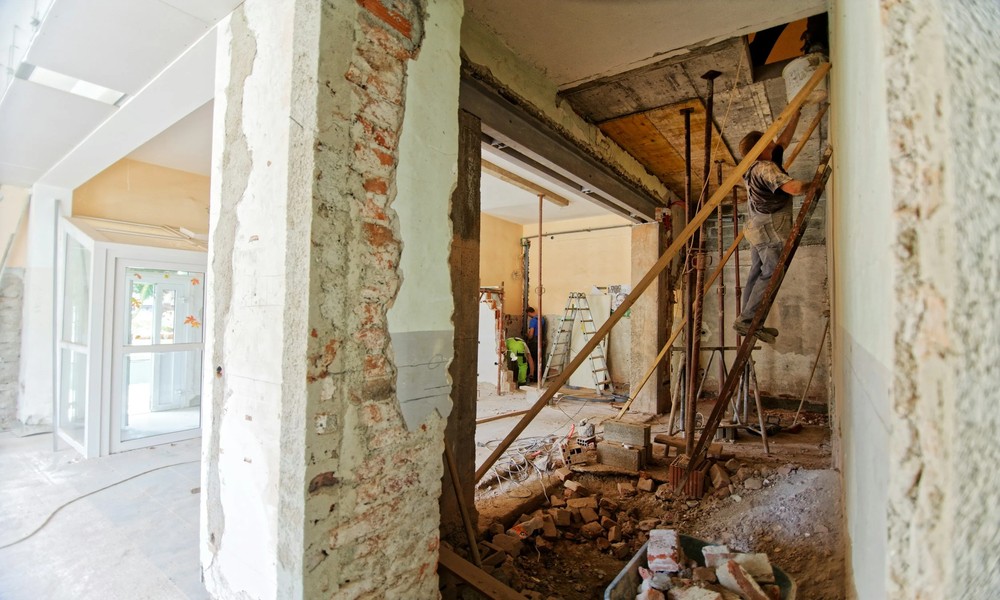
Living in shared buildings changes renovation planning completely. One apartment upgrade can affect several neighboring homes unexpectedly. A plumbing adjustment may disturb water access downstairs. New flooring might create noise problems across upper levels. That explains why strata renovation rules matter so much today.
Some owners dislike approval procedures at first. Honestly, many change opinions after one bad renovation dispute. A blocked hallway or damaged lift creates tension fast. Nobody enjoys arguing about construction debris every weekend.
Clear renovation policies keep projects under better control. Contractors know building expectations before work even begins. Residents also understand what remains permitted inside private units. Fewer surprises appear during construction periods.
Why Renovation Rules Exist Inside Shared Buildings
Apartment buildings contain connected systems behind every single wall. Electrical wiring crosses through several units without visible warning. Plumbing networks connect kitchens, bathrooms, and service areas together. One careless alteration can damage nearby apartments unexpectedly.
Bathroom upgrades create one common example worth mentioning here. Waterproofing failures rarely stay inside one property for long. Water enters ceilings, insulation, and wall cavities without notice. Repair bills then spread across multiple apartments.
Flooring creates another issue people often underestimate badly. Hardwood surfaces may look beautiful inside modern interiors. Yet poor sound insulation changes daily living conditions upstairs. Late-night footsteps become impossible for neighbors to ignore.
Building committees understand those risks from direct experience. Many rules exist because previous renovations caused serious problems before.
Better Planning Makes Renovations Easier
Well-organized renovations feel smoother from the beginning. Tradespeople waste less time navigating building restrictions during projects. Residents face fewer interruptions around lifts and shared corridors. Even material deliveries become easier with proper scheduling systems.
Some renovation delays happen for surprisingly simple reasons. Contractors arrive without insurance paperwork or lift reservations. Then work stops before demolition even starts. Frustrating, honestly.
Strong planning often includes practical requirements like:
- Licensed contractors for electrical and plumbing tasks
- Lift bookings before heavy material deliveries
- Approved waste disposal arrangements
- Noise limits during weekends
- Waterproofing inspections before project completion
These requirements protect the building from avoidable damage later. They also reduce arguments between residents and contractors.
Property Values Benefit From Organized Renovation Systems
Buyers notice building condition almost immediately during inspections. Scratched lifts and damaged hallways leave poor impressions instantly. So do unfinished repair marks around common property areas.
On the other hand, well-managed buildings feel more appealing overall. Renovation standards help preserve that sense of order internally. Investors pay attention to those details before purchasing apartments.
Midway through large building upgrades, proper strata renovation planning becomes even more valuable because communication problems often create the biggest setbacks. Missing approvals or unclear contractor responsibilities slow everything down unnecessarily.
Poor renovation management also affects resident confidence over time. People hesitate before investing money into apartment improvements when previous projects created endless disputes nearby.
Renovation Rules Also Reduce Resident Conflict
Construction noise creates frustration inside apartment communities very fast. Dust spreads through hallways and ventilation areas without much effort. Parking spaces disappear once contractor vehicles arrive every morning.
Without clear expectations, residents become irritated with one another. That part happens more often than people admit openly.
Simple communication rules improve renovation experiences for everyone involved:
- Inform nearby residents before loud demolition work begins
- Protect shared flooring during equipment transport
- Use approved contractors for technical installations
- Remove construction waste from common areas daily
- Follow building access hours properly
Small actions prevent many unnecessary complaints between neighbors.
Organized Processes Encourage Smarter Upgrades
Most owners want modern and functional living spaces today. Better kitchens, updated bathrooms, and improved storage remain popular choices. Still, apartment renovations involve more responsibility than standalone homes.
Strong renovation systems create balance across the entire property. Owners gain freedom to improve private spaces responsibly. Buildings also maintain safer and cleaner shared environments. That balance matters more than people think.